THE PROJECT
From the Gulf to the Caribbean | 14 locations | One single objective.
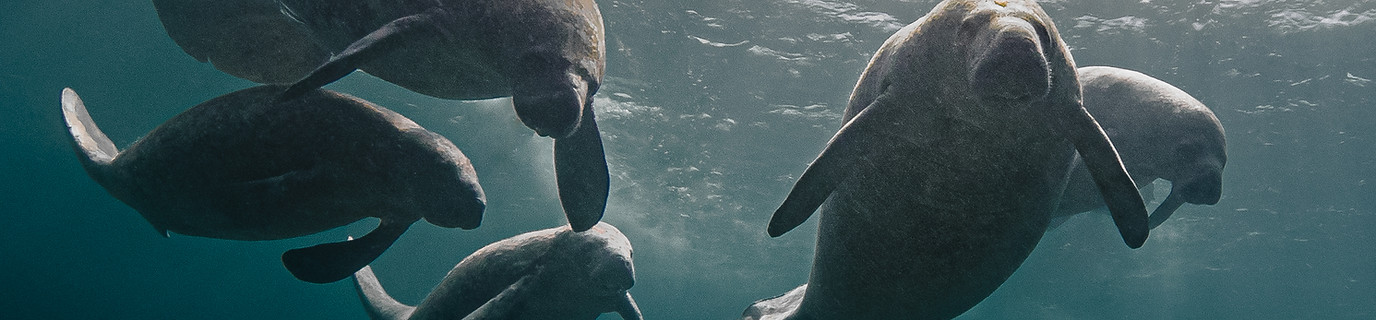
A science, education, and regeneration program that spans five Mexican states where the West Indian manatee is found — from the Alvarado Lagoon System in Veracruz to Xcalak, the last town before the Belizean border.
This is not just a study. It is an effort to understand why their populations are declining, to generate the scientific evidence that is still missing, and to empower the communities that share their waters.

HOW WE WORK
Six lines of action. One shared objective.


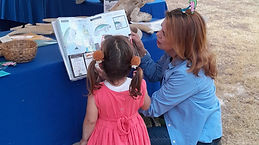
Workshops with fishers, children, youth, and women across all project locations.
%2011_03_33%E2%80%AFp_m_.png)
Coastal communities trained to respond to emergencies that can save lives.


WHAT WE ARE LOOKING FOR
01
Understand manatee population dynamics and the environmental variables shaping their distribution across Mexico.
02
Assess connectivity with other Gulf and Caribbean regions, including potential migration routes to Belize and Miami.
03
Evaluate the impact of fishing, urban growth, and human waste across their current distribution areas.
04
Support the creation of refuges and corridors to ensure safe distribution throughout their natural range.
05
Promote awareness through art, science, and education with fishers, students, and coastal communities.
06
Update the national PACE conservation program using the data generated throughout this initiative.
WHERE
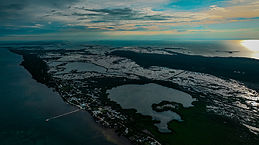
14 locations across five Mexican states where the West Indian manatee is found — a journey spanning over 2,000 kilometers of coastline.
-
Veracruz: Sistema Lagunar de Alvarado | Coatzacoalcos
-
Tabasco: Laguna de las Ilusiones
-
Chiapas: Catazajá
-
Campeche: Atasta
-
Quintana Roo: Holbox | Isla Mujeres | Cozumel Playa del Carmen | Tulum | Punta Allen Chetumal | Mahahual | Xcalak



%206_01_39%E2%80%AFp_m_edited.jpg)

This project is made possible thanks to the support of organizations committed to ocean conservation and scientific research.