

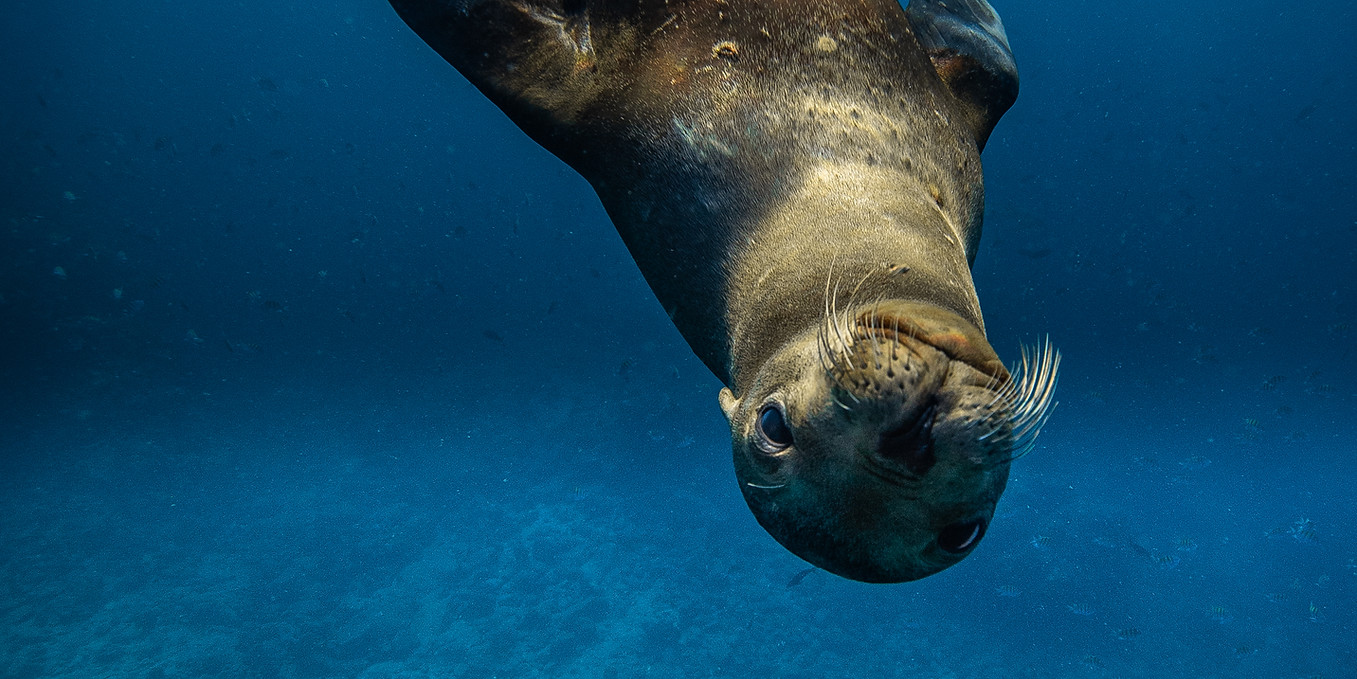
This project was selected in the first round of the Mares de México 2026 Open Call. It is a rescue and veterinary care initiative that mitigates sea lion entanglement in fishing gear and marine debris, with direct field interventions in the Gulf of California and the northeastern Pacific.
Selected Project | First Round Call for Proposals: Mares de Mexico 2026
.jpeg)

The Sea Lion Rescue project works on the care, rescue, and release of sea lions affected by entanglement in fishing gear and marine debris — one of the most serious threats facing the species in Mexico. Through direct interventions in sea lion colonies, the project reduces severe injuries and mortality while generating valuable data to better understand and prevent this problem.
The project is led by CABET, a civil association founded in 2010 in La Paz, Baja California Sur, with more than a decade of experience in marine conservation. Since 2014, it has built the most specialized field program in the country for mitigating sea lion entanglements, combining applied science, technical expertise, and inter-institutional coordination.
WHERE
The Sea Lion Rescue project carries out its work in the Gulf of California, primarily in areas with sea lion colonies affected by entanglement and marine debris.
Fieldwork takes place at:
-
Isla San Jorge, Sonora
-
Roca Consag, Gulf of California
-
These sites present specific challenges in access, logistics, and operations, so each intervention requires careful planning, technical expertise, and coordination with authorities and local stakeholders.


To mitigate the impacts of fishing gear and marine debris on the health and welfare of sea lions through field rescues, specialized veterinary care, and innovative tools, and to strengthen technical capacity in order to expand the reach of this work through a National Sea Lion Disentanglement Network.
OBJECTIVE
PROJECT DESCRIPTION
This project addresses one of the greatest threats to sea lions in the Gulf of California: entanglement caused by fishing gear and marine debris. By rescuing and releasing affected individuals, it contributes to the conservation of sea lion colonies and to the health of the ecosystems they inhabit.
HOW IT WORKS
Fieldwork is carried out through rescue operations in which entangled individuals are identified and site conditions are assessed to determine the safest intervention strategy. Releases are performed using specialized disentanglement techniques and veterinary care, with remote sedation when necessary.
IMPACT
The project also contributes to the conservation of sea lion colonies and to strengthening local practices for caring for the marine environment. Sea lion rescue has become a paid activity for fishers, raising awareness about the impact of nets on marine wildlife and opening new forms of collaboration on the ground.


PROJECT ACHIEVEMENTS
-
More than 100 sea lions disentangled since 2015 — including pups, juveniles, and adults — across colonies throughout the Gulf of California.
-
Specialized veterinary care provided during rescues, reducing severe injuries and entanglement-related mortality.
-
Systematic documentation of every intervention, generating data on types of entanglement, materials involved, and how frequently cases occur.
-
Implementation of monitoring and photo-identification methods, making it possible to track released individuals and evaluate outcomes over the medium term.
-
Development of the "Gancho Diana" (Diana Hook), an innovative tool for disentangling animals and preventing entanglement in active nets, currently in the patent process.
-
Training of fishers, government personnel, and veterinary professionals in sea lion disentanglement and care techniques across different regions of the country.


